Growth performance in aquaculture cannot be explained by a single factor. A healthy and balanced development process is directly related to environmental conditions, operational practices, and overall production management. For this reason, understanding the factors that influence growth is essential for achieving a more efficient and better-controlled production process.
One of the primary factors affecting growth is water temperature. Water temperature directly influences the metabolic rate of fish. Changes in temperature can affect many processes, from feed intake to activity levels. That is why regular monitoring of temperature conditions plays a critical role in managing production effectively.
Another important factor is oxygen level in the water. Sufficient oxygen is one of the basic requirements for fish to maintain healthy biological functions. Low oxygen levels can negatively affect growth performance and disrupt the general balance of production. For this reason, oxygen conditions in the farming environment should be monitored continuously and maintained at appropriate levels.
Water quality is also a key factor in growth performance. Clean, balanced water with suitable parameters supports healthier fish development. Changes in water quality may create stress and affect overall production performance. Therefore, water management is not simply a technical detail in aquaculture, but one of the core elements of production.
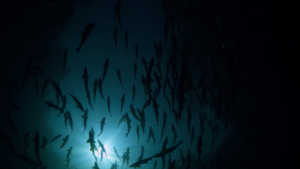
Stocking density is another important issue to consider. Proper planning of fish density within the production area is one of the factors that supports healthy growth. Excessive density may negatively affect both environmental balance and growth patterns. A more controlled and balanced stocking strategy contributes to a healthier and more stable production process.
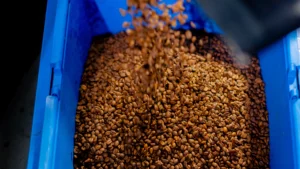
Feeding routines and process management are also among the key components of growth. Supporting fish with an appropriate feeding plan at the right stage of development directly affects overall production performance. What matters here is not only feeding, but managing the process with the right timing and the right practices.
Successful growth in aquaculture is possible only when all of these factors are evaluated together. Improving a single variable is often not enough. Real efficiency is achieved when the entire process — from water conditions and stocking strategy to feeding routines and daily monitoring — is managed in a balanced and integrated way.
Unifeed follows a production approach that recognizes the key factors affecting growth in aquaculture. With a focus on planning, consistency, and reliability, it aims to support more controlled and more sustainable production processes.