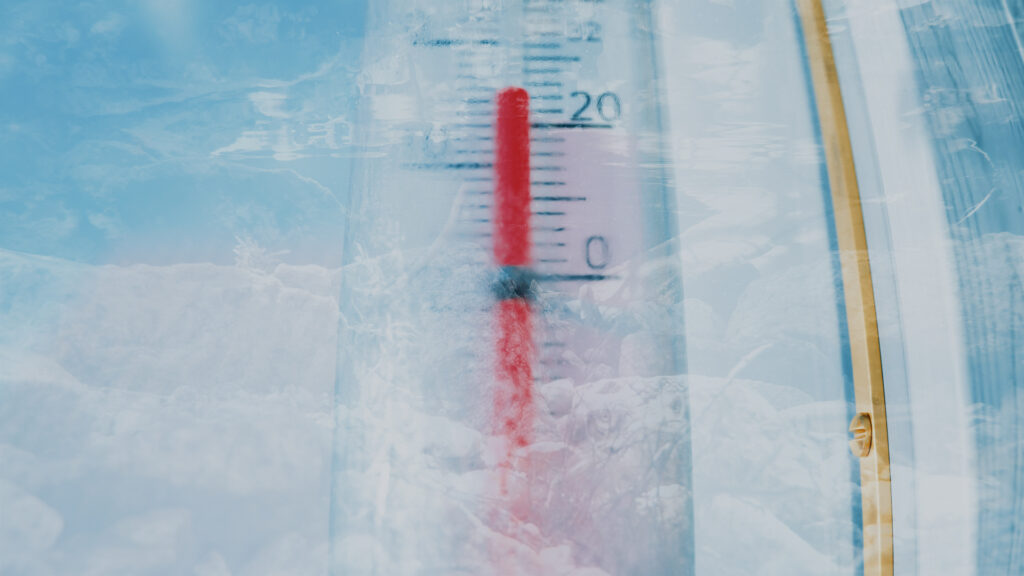
In trout farming, productivity is shaped not only by genetics, feeding schedules, and management practices but also by environmental factors—among which water temperature stands out as one of the most influential. Even a small fluctuation of one or two degrees Celsius can significantly alter the physiological responses of trout, affecting their metabolism, feeding behavior, stress levels, oxygen demand, and overall growth performance. For this reason, temperature control is not simply a monitoring task; it is a central element in determining the efficiency and stability of the entire production cycle.
As water temperature rises, the trout’s metabolism accelerates. A faster metabolism requires more energy, which increases the fish’s demand for nutrients. Although feed consumption often rises under these conditions, the efficiency of converting feed into growth may decline, especially when the temperature is outside the optimal range. This mismatch between rising energy demand and declining growth efficiency results in fluctuations in feed conversion ratios (FCR), directly influencing production costs and profitability.
Temperature also affects dissolved oxygen levels. Warm water holds significantly less oxygen than cold water, which is problematic for trout—one of the most oxygen-demanding cold-water species. As temperature increases, oxygen availability decreases, causing physiological stress. Stressed fish eat less, grow more slowly, and become more vulnerable to disease. This double impact—higher metabolic demand paired with reduced oxygen—creates a challenging environment for trout, and even minor temperature shifts can have disproportionate effects on performance.
These challenges highlight the importance of proper feed formulation. When temperatures fluctuate, trout require feeds with optimized digestibility, balanced energy levels, and functional ingredients that support immunity. A well-designed formulation helps maintain growth stability by ensuring that the fish’s shifting energy requirements are met without compromising efficiency. This makes feed not only a nutritional input but a strategic tool in maintaining performance under variable temperature conditions.
Unifeed develops its trout feeds with these environmental realities in mind. By designing formulations built to support metabolism, energy utilization, and immune resilience across different temperature ranges, Unifeed helps producers maintain stable growth and predictable performance. The right feed minimizes potential losses during warmer periods and supports efficient growth in cooler water, resulting in more consistent production outcomes.
Ultimately, water temperature is not merely an environmental parameter—it is a core factor that shapes every stage of trout farming. Understanding how temperature influences metabolism, oxygen needs, growth rates, and immune function allows producers to align their feeding strategies more effectively with environmental conditions. When temperature management and advanced feed formulation work together, trout farming becomes more sustainable, efficient, and resilient against natural fluctuations.