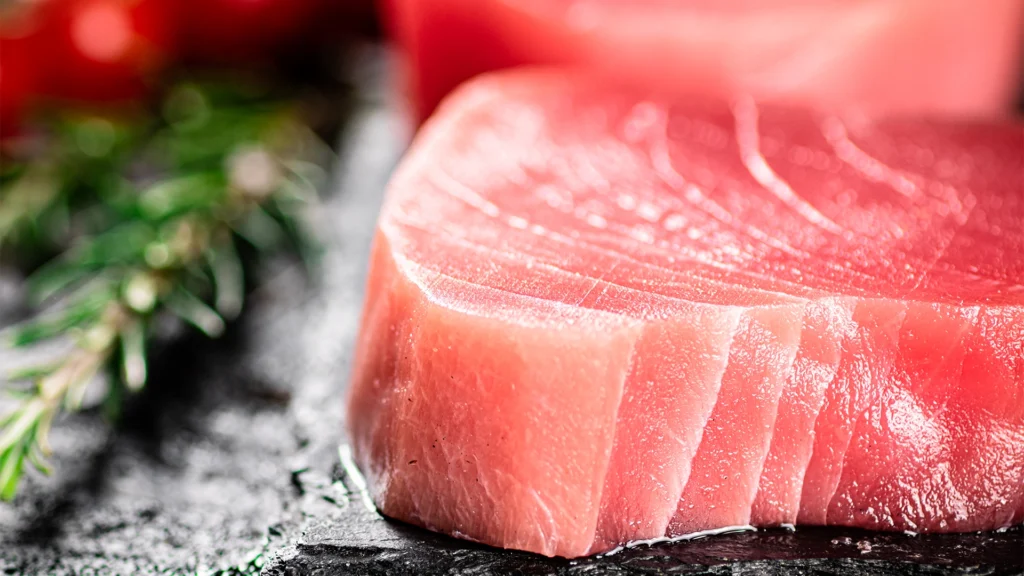
In trout farming, flesh color is not merely a visual detail; it is a key quality parameter that directly affects market perception, product classification, and commercial value. Even trout produced in the same farm, under identical water conditions and similar rearing processes, may show noticeable color differences. In most cases, the main reason for this is not environmental factors, but the pigmentation strategy applied.
Flesh color is determined by how efficiently, consistently, and predictably pigments are transferred to the fish through feed. Not every feed containing pigment delivers the same result. The critical factor is the level of pigment absorption during digestion and how evenly it is distributed within the muscle tissue. Irregular absorption can lead to color fluctuations and batch-to-batch quality variations.
At this point, COLOTRAX offers a distinct approach compared to conventional pigmentation feeds. Its formulation is designed to optimize pigment absorption, supporting a more homogeneous and stable flesh color in trout. The objective is not rapid and uncontrolled coloration, but a predictable and market-aligned result for producers. This approach is especially important for product standardization during the harvest period.
From a market perspective, trout with a uniform flesh color create a more reliable product perception. Minimizing color variation facilitates grading processes and helps prevent color-related quality losses. This contributes to a more sustainable structure for producers, both operationally and commercially.
In conclusion, flesh color in trout is not a random outcome, but the result of a deliberate feeding decision. A controlled strategy built on the right pigmentation feed strengthens not only visual quality but also the product’s position in the market. COLOTRAX aims to make this process manageable and predictable.