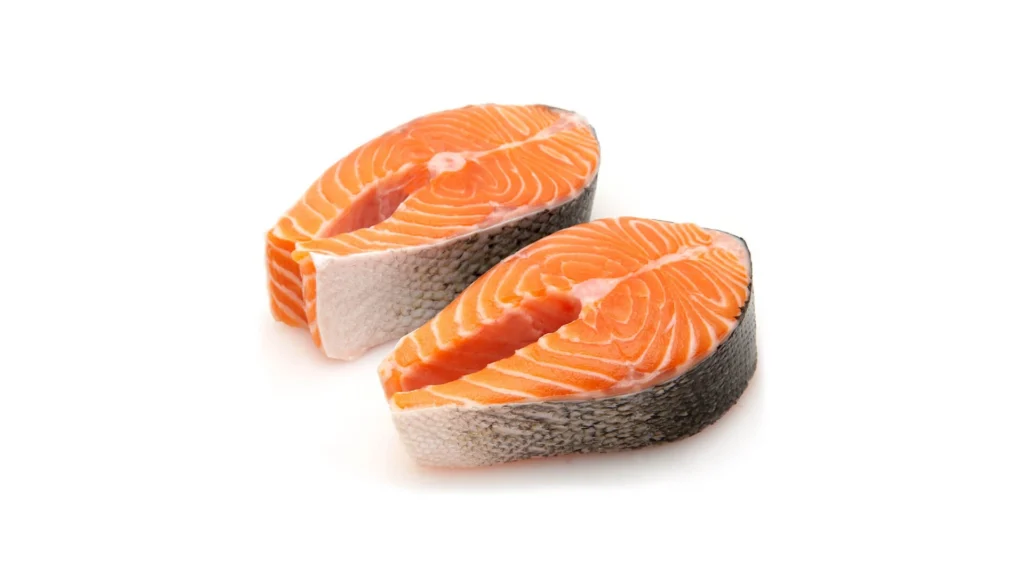
One of the most influential factors in successful salmon farming is establishing the right fat balance within the feeding program. Fat content affects a wide range of performance indicators—from growth rate and fillet quality to immune strength and overall market value. Among all fatty acids, Omega-3s (EPA and DHA) play a particularly critical role, shaping both the nutritional quality and premium positioning of the final product. For this reason, effective fat management is considered a strategic approach in modern salmon nutrition.
Why Is Fat Balance So Important?
Salmon is a species with high energy requirements, and this energy is largely supplied through the combination of fats and proteins in the feed. However, this relationship is not linear. When fat levels are too low, growth slows; when they are too high, undesired fat deposition occurs, particularly around the viscera and under the skin. Therefore, the fat content in feed must be precisely adjusted according to the salmon’s life stage, water temperature, and production goals.
Omega-3: The Foundation of Quality
EPA and DHA are among the most valuable fatty acids for both salmon health and the final product quality. Omega-3 fatty acids:
- Improve fillet structure and firmness,
- Enhance color brightness and stability,
- Increase nutritional value,
- Support a premium-grade product widely preferred in global markets.
For this reason, not only the amount of fat but also the EPA–DHA ratio in the fat source is essential for achieving high-quality outcomes.
Proper Fat Distribution = Superior Fillet Structure
The ideal fat distribution in salmon consists of minimal subcutaneous fat and optimal intramuscular fat. When this balance is achieved, the fillet displays a clean structure, consistent texture, and better visual appeal. Incorrect feeding strategies—either due to insufficient nutrition or excessive dietary fat—can disrupt this structure and significantly reduce the product’s economic and aesthetic value.
Digestibility: Efficient Energy Utilization
The digestibility of fat sources in salmon feed directly affects how efficiently the fish can convert nutrients into growth. High-digestibility fats:
- Promote stronger growth performance,
- Support cleaner and more controlled development,
- Prevent excessive or uneven fat accumulation.
Therefore, both the quality and composition of dietary fats play a decisive role in shaping production results.
The Bigger Picture: Performance Throughout the Cycle
A well-balanced fat profile enriched with high Omega-3 content benefits not only the final harvest quality but also the entire production cycle. Optimized feed formulations result in better growth, lower FCR, improved fish robustness, and a higher-value final product. This creates both biological and economic advantages for producers.
In conclusion, fat balance in salmon feeding is not simply a nutritional parameter—it is a core quality strategy that defines the success of the entire farming process. When Omega-3 levels and fat distribution are properly managed, salmon deliver superior performance on the farm and achieve the premium standards demanded in the global market.